
Gate & Garden shares practical, down-to-earth guidance on garden gates, fencing and outdoor access for readers across the UK.
- 0123456789
- Angle Bd Abdelmoumen & rue soumaya, Résidence
- [email protected]
Gate & Garden shares practical, down-to-earth guidance on garden gates, fencing and outdoor access for readers across the UK.
 By James Hartley
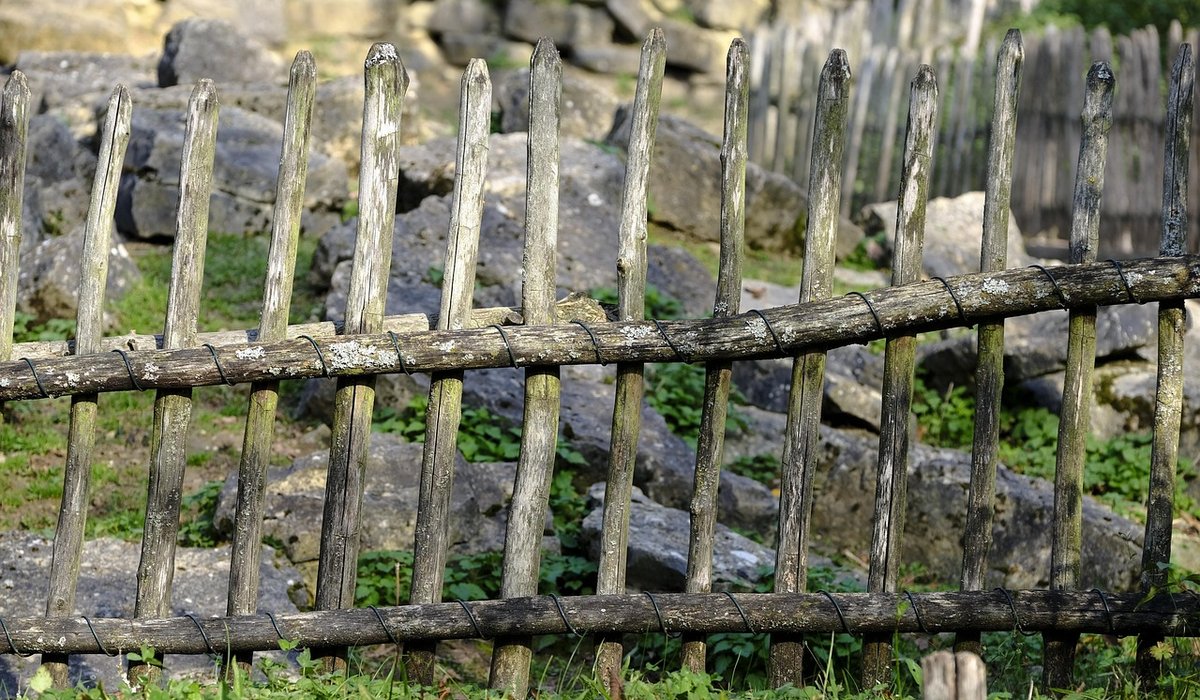
A garden gate is one of those things you only really notice when it stops working. When it swells in the wet, drops on its hinges or turns a chalky grey within two summers, it stops being a charming feature and starts being a chore. The trick is to choose a material that suits your garden's climate, your tolerance for upkeep and the style of your home — ideally before you buy, not two years afterwards.
In most of the UK, garden gates face a fairly punishing set of conditions: driving rain from the south-west, damp winters, occasional hard frosts, and long spells of humid still air. Add coastal salt spray or heavy clay soil that holds moisture at the base of the posts, and you have a genuine test of any material. Here's how the three main options compare.
Timber remains the most popular option in Britain, and for good reason. It's warm, it suits everything from a Victorian terrace to a stone cottage, and it's easy to work with if you ever need to trim a gate to fit an awkward opening.
The type of timber matters enormously. Softwoods such as pine and spruce are affordable and readily available, but they need treating every year or two and will typically last ten to fifteen years in exposed positions. Hardwoods like oak, iroko and sweet chestnut cost considerably more but can last decades with far less fuss. Oak in particular weathers to a lovely silver-grey if left untreated, which suits a more natural planting scheme.
If you go down the timber route, pay attention to the frame rather than just the slats. A braced ledged and braced design, or a proper mortise-and-tenon jointed frame, will hold its shape far better than a flimsy panel stapled together. Also make sure the gate is hung with the bottom rail well clear of the ground — at least 25mm — so it isn't sitting in damp soil.
Metal gates have come a long way from the heavy wrought iron of country estates. Today you'll find galvanised steel, powder-coated aluminium and modern ironwork that combines strength with surprisingly slim profiles.
Galvanised steel is the workhorse. The galvanising process coats the steel in zinc, which sacrifices itself to protect the metal beneath, so rust is kept at bay even if the surface gets scratched. A powder coat on top gives you colour choices and a smooth finish. Aluminium is lighter, never rusts, and is ideal for wider or taller gates because it puts less strain on hinges and posts.
Metal is also the natural partner for automation. If you think you might add an electric opener later, mention it now — the gate needs to be rigid enough and the posts substantial enough to take the force of a motor without flexing.
Composite gates are made from a blend of wood flour and recycled plastic, usually formed around a metal or reinforced core. They look like timber from a few feet away but behave quite differently.
They won't rot, splinter, warp or need painting, and they shrug off damp and frost. Colours are baked in, so there's no fading to grey unless you've chosen a grey finish. The catch is the upfront cost, which sits at the top of the range, and the fact that composite can look slightly flat or uniform compared with real timber grain.
It's easy to spend hours on the gate and forget the posts, which is a mistake. A gate is only as solid as what holds it. Timber posts should be at least 100mm square for a pedestrian gate and 150mm for a driveway gate, set in concrete to a depth of around 600mm. Metal posts should be galvanised and capped to stop water pooling inside the tube.
Think about how the gate relates to the surrounding fence too. A metal gate in a timber fence can look deliberate and crisp, or jarring and mismatched — it depends on the style. Vertical slats, horizontal slats and lattice all read differently, so it's worth standing at the end of the garden and picturing the whole run before ordering.
Before committing, run through a few honest checks. How much wind funnels down that side passage? Is the ground level and firm, or will the gate need to swing over a slope? Will children, dogs or delivery drivers be using it daily? Does it need to be lockable, self-closing or tall enough for privacy?
Also consider access for maintenance. A gate that's easy to lift off its hinges makes painting, treating and hinge replacement far less of a battle. And whatever material you choose, buy from a supplier who can tell you the exact dimensions, the weights and the recommended fixings. A well-chosen gate, properly hung, should give you fifteen to thirty years of quiet service — which makes the decision worth taking a little time over.


We are not gonna make spamming
