
Gate & Garden shares practical, down-to-earth guidance on garden gates, fencing and outdoor access for readers across the UK.
- 0123456789
- Angle Bd Abdelmoumen & rue soumaya, Résidence
- [email protected]
Gate & Garden shares practical, down-to-earth guidance on garden gates, fencing and outdoor access for readers across the UK.
 By Oliver Bennett
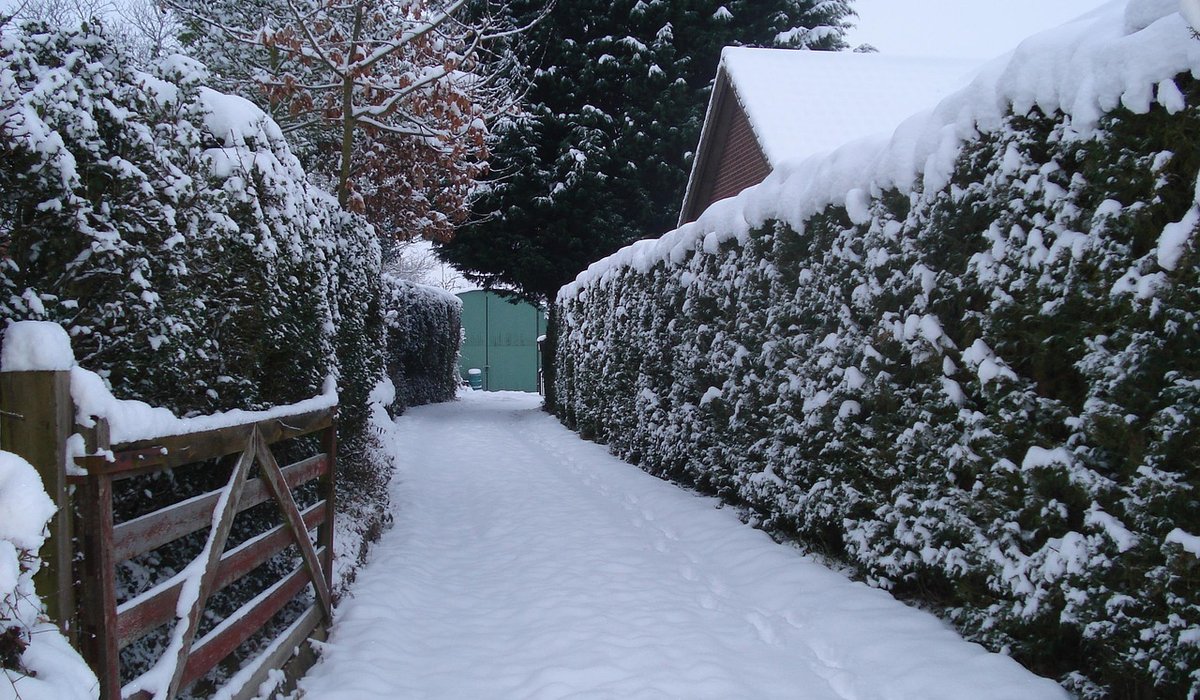
In the UK, most garden gates and fences can be erected without planning permission, thanks to permitted development rights. These rights allow homeowners to make certain improvements without applying to the council. However, they come with limits. If your fence, wall or gate falls within those limits, you can go ahead. If it exceeds them, you'll need a planning application. Permitted development rights only apply to houses, not flats or maisonettes. If you live in a flat, you'll usually need planning permission for any fence or gate. Even if your project is permitted development, check for restrictive covenants in your deeds. These are separate from planning rules and can prevent you from erecting fences altogether.
The most common trigger for needing planning permission is height. For a fence, wall or gate, the general rule is that it can be up to two metres high without permission. But there's a crucial exception: if the boundary is next to a highway used by vehicles, the limit drops to one metre. This preserves visibility for drivers and pedestrians. A highway used by vehicles includes public roads and streets, but not footpaths or bridleways. So if you're putting up a fence along the front of your property where cars drive past, keep it to one metre. If you're unsure whether your boundary abuts a highway, check with your local council's highways department. Height is measured from the natural ground level, so on a slope, measure from the highest point where the fence sits.
Gates that open onto a driveway can raise additional issues. If you're creating a new vehicle access onto a classified road, you'll need planning permission. Even if you already have a driveway, installing a gate might require permission if it affects visibility splays – the sightlines drivers need when entering or leaving the road. A visibility splay is typically a triangle of land either side of the access, and any gate or fence must not obstruct it. Automated gates also need to comply with safety regulations, but that's separate from planning. If your gate is over two metres high, or over one metre next to a highway, you'll need planning permission. Replacing a gate with a taller one counts as a new structure.
If you live in a listed building, you'll need listed building consent for any alteration that affects its character or appearance. This includes erecting a fence, wall or gate, even if it's within permitted development limits. Listed building consent is separate from planning permission, and carrying out works without it is a criminal offence. In conservation areas, permitted development rights are more restricted. You may need planning permission for fences, walls or gates that exceed certain limits, and some councils have Article 4 directions that remove permitted development rights altogether. For example, in a conservation area, a fence over one metre high next to a highway, or over two metres elsewhere, may need permission. Always check with your local conservation officer before you start.
Planning permission isn't the only thing to consider. If you're building a fence on a boundary, be sure it's on your land. Check your deeds and, if necessary, get a boundary survey. Talk to your neighbour – good fences make good neighbours, but only if they're built in the right place. If you're renting, you'll need your landlord's permission. If you live in a flat or maisonette, you'll likely need planning permission as permitted development rights don't apply. In national parks, areas of outstanding natural beauty or world heritage sites, different rules may apply. Replacing a fence may not need permission if it's the same height and material, but it's always worth checking.
The safest approach is to contact your local council's planning department before you buy materials. Many councils offer a pre-application advice service, sometimes for a small fee. You can also check their website for local rules and any Article 4 directions. When you call, have details ready: the height of your proposed fence or gate, its distance from the highway, and whether your property is listed or in a conservation area. If you're still unsure, apply for a lawful development certificate, which confirms your project is permitted development. It costs a fee, but it gives you peace of mind. If you build without permission and it turns out you needed it, the council can issue an enforcement notice, which could mean removing or altering your fence. A quick call now can save a lot of hassle later.


We are not gonna make spamming
