
Gate & Garden shares practical, down-to-earth guidance on garden gates, fencing and outdoor access for readers across the UK.
- 0123456789
- Angle Bd Abdelmoumen & rue soumaya, Résidence
- [email protected]
Gate & Garden shares practical, down-to-earth guidance on garden gates, fencing and outdoor access for readers across the UK.
 By Eleanor Whitcombe
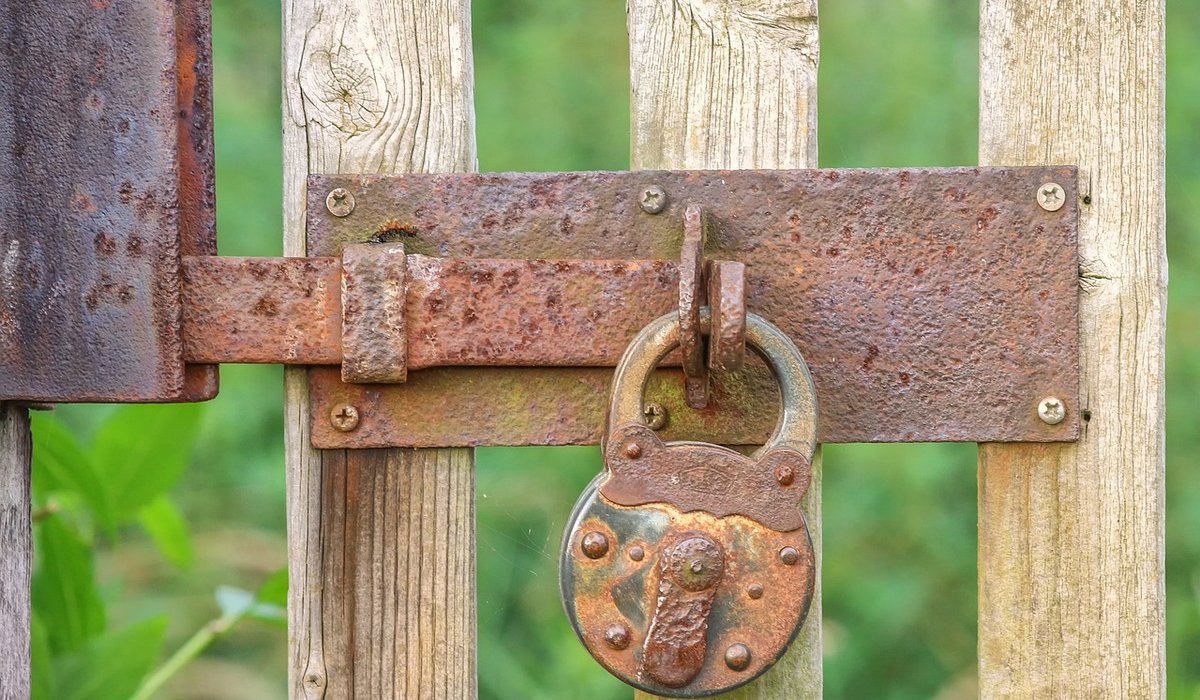
If you live anywhere in the UK, you already know that rain is less an occasional visitor and more a permanent house guest. A metal gate standing at the end of a driveway or in a garden boundary faces everything the weather throws at it: driving rain, damp mornings, frost, and the slow, patient creep of moisture into every joint and crevice. Steel and iron are tough, but they are not invincible. Left alone through a wet autumn and winter, even a well-made gate will start to show the early signs of trouble.
The good news is that maintaining a metal gate is not difficult, and it takes far less time than repairing one. A little attention in October can save you a costly replacement by spring. Here is how to keep your gate swinging smoothly and looking smart, whatever the forecast says.
Rust does not appear overnight. It begins where dirt, moss and standing water collect, usually along the bottom rail, around welded joints, and in the small pits where the paint has been chipped by a stray stone or a bicycle handlebar. Grime holds moisture against the metal, so the first job is simply to remove it.
Aim to do this two or three times a year, and always after a spell of particularly grim weather.
Small patches of surface rust are easy to deal with. Larger ones are not, so the golden rule is to act the moment you notice orange staining. Sand the affected area back to bare metal using a medium-grade abrasive, then feather the edges so the repair blends into the surrounding paint. Wipe away the dust, and apply a rust-inhibiting primer designed for exterior metalwork. Once that has dried, follow with a topcoat in a colour that matches the rest of the gate.
For deeper corrosion, or where the metal has begun to pit or thin, it is worth being honest with yourself. Patching a failing section may buy you a season, but a gate that is rusting from the inside out will eventually need professional attention. Catching it early is the difference between a tin of paint and a new gate.
Paint is not just decoration. On a metal gate it is the primary barrier between steel and water, and it takes a steady beating from rain, UV light and temperature swings. A yearly inspection in early autumn is ideal, because the paint needs a dry, mild day to cure properly.
Used consistently, a good paint system will protect a gate for many years. Neglected, it will fail at the joints first, which are always the hardest places to repair.
Wind and rain do not only attack the finish. They work on the moving parts too, and a gate that has been slammed and rattled by a gale needs a proper look. After any significant storm, walk the boundary and check the following:
Loose hinges are simple to tighten, and a gate that has dropped can often be adjusted by packing or repositioning the hinge. Ignoring these small faults is what turns a minor job into a major one.
Once or twice a year, and always after the worst of the winter, apply a suitable lubricant to every moving part: hinge pins, latch springs, bolts and any sliding catches. A water-resistant grease or a spray lubricant designed for outdoor metalwork will do the job nicely. Work it into the mechanism by opening and closing the gate several times, then wipe away the excess so it does not attract grit.
This one small habit keeps the gate light to use, reduces strain on the frame, and makes the whole assembly last longer. While you are there, clear any leaves, soil or grass clippings from around the base of the gate and its posts. Good drainage and clean air around the metal are quietly doing as much for its lifespan as any tin of paint.
Treat your gate as you would any other piece of outdoor equipment: check it, clean it, and give it a little care before the wet season rather than after. Do that, and it will keep opening smoothly and looking well for years to come, however much rain the British weather sends your way.


We are not gonna make spamming
