
Gate & Garden shares practical, down-to-earth guidance on garden gates, fencing and outdoor access for readers across the UK.
- 0123456789
- Angle Bd Abdelmoumen & rue soumaya, Résidence
- [email protected]
Gate & Garden shares practical, down-to-earth guidance on garden gates, fencing and outdoor access for readers across the UK.
 By Eleanor Whitcombe
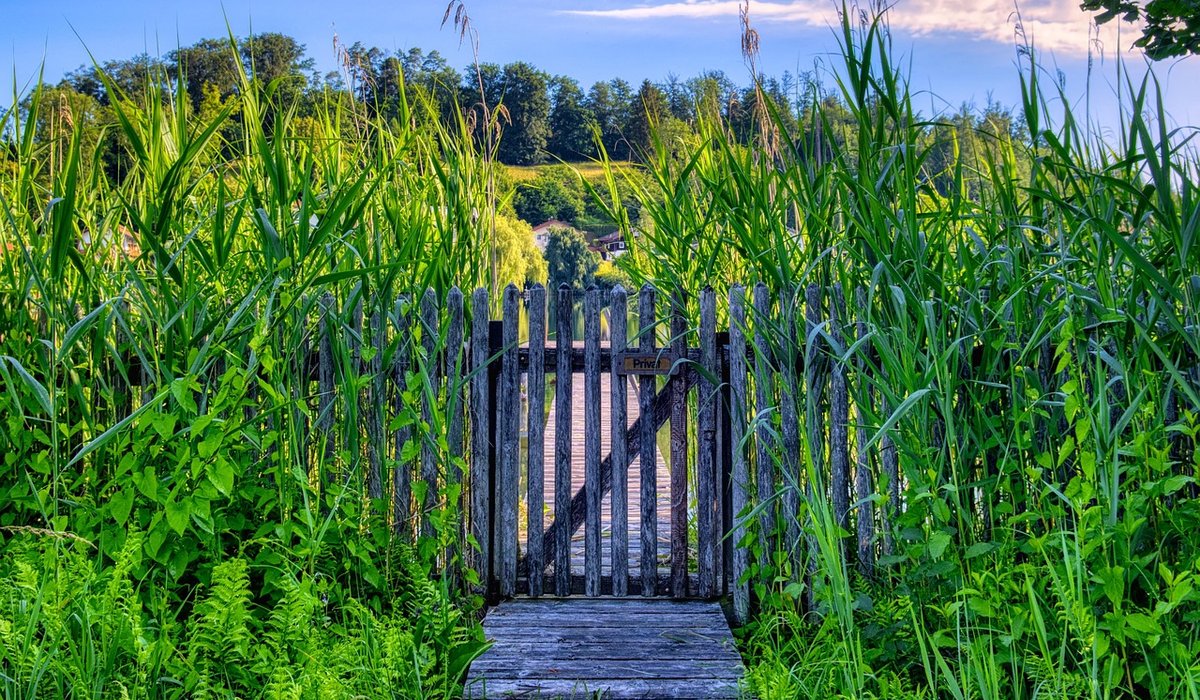
Most garden gates in the UK are made from mild steel, wrought iron or galvanised metal. Even galvanised gates will eventually rust once the protective zinc layer is scratched or worn away. Rust forms when iron or steel is exposed to moisture and oxygen. In a British garden, that means rain, dew, soil, and even summer humidity. Road salt and air pollution speed up the process. The good news is that surface rust is usually straightforward to treat at home. Left alone, it eats into the metal, weakens welds and can eventually seize hinges. A few hours of careful work will add years to your gate’s life and save you the cost of a replacement.
Before you pick up a wire brush, give the whole gate a thorough inspection. Rust is often a symptom rather than the main problem. Open and close the gate slowly. Listen for creaks and feel for grinding at the hinges. Grasp the gate near each hinge and try to lift it – any vertical play suggests worn hinge pins or loose fixings. Examine every welded joint, especially where the frame meets the vertical bars. Look for cracks, flaking metal, or deep pitting. Tap suspicious areas with the handle of a screwdriver; a dull thud can indicate thin or hollow metal beneath the paint. If a joint is cracked or the metal has rusted through, painting alone will not fix it. You may need to weld or replace the affected section. In that case, stop and seek a professional welder or blacksmith. For solid gates with surface rust, carry on with confidence.
Gather everything before you begin so you can work efficiently on a dry day. You will need:
Check the weather forecast. You need a dry day with temperatures above 10°C and low humidity. Avoid painting in direct hot sun or when rain is due within 24 hours.
If possible, lift the gate off its hinges and lay it flat on trestles or a clean paving slab. This gives you better access and stops paint runs. Begin by cleaning the whole gate with degreaser to remove grime, bird droppings and old wax. Rinse and allow to dry completely. Now attack the rust. Use the wire brush to scrub away loose rust, working in the direction of the metal grain where you can. For stubborn patches, switch to the drill-mounted brush. Follow with 80 grit sandpaper, then 120 grit, until you reach sound bare metal. Feather the edges of any remaining paint so you cannot feel a ridge. Wipe away all dust with a tack cloth or a rag dampened with white spirit. If you find deep pitting, paint on a rust converter according to the instructions. It will turn black and neutralise the remaining rust. Once that has dried, apply a coat of zinc phosphate primer to every bare metal area. Do this within a few hours of sanding – bare steel can flash-rust surprisingly quickly in damp air. Allow the primer to dry fully before moving on.
Stir your exterior metal paint thoroughly. Do not shake it, as this traps air bubbles. Apply the first coat thinly and evenly. Use a brush for welds, hinges, latches and the edges of bars, then a small roller for flat panels. Thin coats dry faster and adhere better than thick ones. Pay attention to the top and bottom rails, which collect water. Mask off any parts you do not want painted, such as hinge pins or a decorative latch. Let the first coat dry for the time recommended on the tin – usually four to sixteen hours. Then apply a second coat. Two coats are essential for a durable finish. If your gate is in a very exposed spot, a third coat on the top rail is a wise investment. Allow the paint to harden fully, ideally 24 to 48 hours, before rehanging. Do not paint in freezing conditions or when rain is imminent.
Once the paint is touch-dry, lift the gate back onto its hinges. Check that it swings freely and latches securely. Lubricate the hinge pins with a few drops of light oil or silicone spray. Adjust the hinges if the gate has dropped. For long-term protection, inspect your gate every spring and autumn. Touch up any chips or scratches immediately – a small brush and a jam jar of paint take minutes. Keep the bottom of the gate clear of soil and wet leaves. If you notice fresh rust bubbling under the paint, or if the gate feels loose at the joints, act quickly. Deep corrosion or cracked welds are best left to a professional welder or gate fitter. With routine care, a repainted metal gate will serve you well for many years, keeping your garden secure and looking smart.


We are not gonna make spamming
