
Gate & Garden shares practical, down-to-earth guidance on garden gates, fencing and outdoor access for readers across the UK.
- 0123456789
- Angle Bd Abdelmoumen & rue soumaya, Résidence
- [email protected]
Gate & Garden shares practical, down-to-earth guidance on garden gates, fencing and outdoor access for readers across the UK.
 By Oliver Bennett
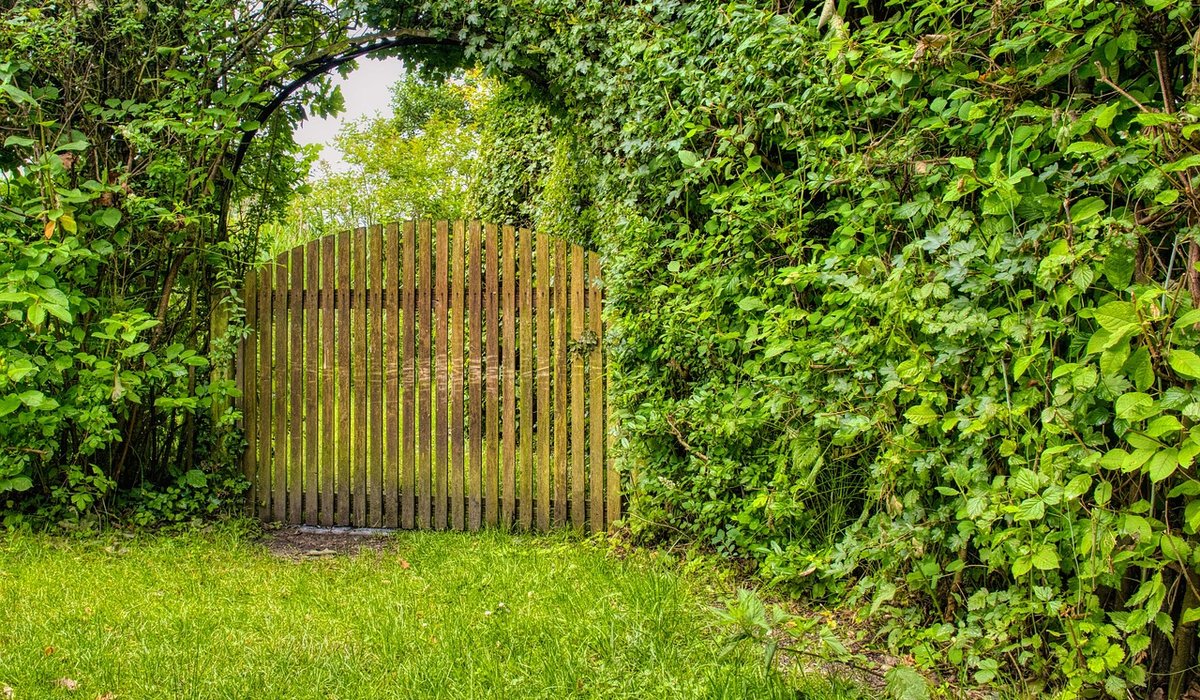
Choosing a garden gate is about more than just picking a style you like. It needs to suit your home, your garden, and how you use the space. Before you buy, take a moment to think about height, material, and opening style. Get those right, and your gate will serve you well for years.
Start with a tape measure, not a catalogue. Measure the width of your opening at the top, middle, and bottom. Use the smallest measurement, because posts and walls are rarely perfectly parallel. Measure the height from the ground to where you want the top of the gate to sit. If the ground slopes, measure at both ends and allow for clearance so the gate does not scrape. A gap of 10–20mm at each side is sensible for swelling and movement. Also check whether you have existing posts or need new ones. Most gates are sold in standard widths, but made-to-measure options are widely available. If your gap is wider than 1.2 metres, consider a double gate or a braced single gate for stability.
How tall should your gate be? That depends on what you need it to do. A low gate of around 900mm looks welcoming for a front garden, but it will not stop a determined intruder. For side or rear access, 1.8 metres is the usual choice for privacy and security. If you have pets or young children, check that the gate is tall enough and that the latch is out of reach. Think about light, too: a solid 1.8m gate will cast a shadow and block views. For a front garden, you might prefer a design with open slats or a metal railing. Also consider who uses the gate: delivery drivers, elderly relatives, or wheelchairs. A lever handle is easier to operate than a knob.
Timber is the traditional choice. It is warm, easy to work with, and relatively affordable. Softwood needs regular treatment, while hardwood like oak or iroko lasts longer but costs more. Timber can swell in wet weather, so allow clearance. Metal gates, such as wrought iron or aluminium, are strong and low maintenance. Aluminium will not rust, but it can dent. Steel needs painting to prevent corrosion. Composite gates mix recycled plastic and wood fibres. They are very low maintenance and resist rot, but they are heavier and more expensive. Whichever you choose, match the style to your fence and house. A heavy gate needs sturdy posts and heavy-duty hinges. Do not skimp on the posts: they carry the weight.
Most garden gates swing open. Decide which way: inward or outward. An outward-opening gate can be lifted off its hinges unless you fit security hinges. An inward-opening gate needs space behind it. For driveways, double gates are common, but they need a drop bolt or ground socket to stay closed. Sliding gates save space and are great for sloping ground, but they need a track and a clear run. For pedestrian gates, self-closing hinges are a thoughtful addition, especially if you have children or pets. A spring-loaded hinge will pull the gate shut behind you. Check the latch: a ring latch is traditional, but a thumb latch is easier for gloved hands. For security, fit a lockable latch or a padlockable bolt.
In the UK, you usually do not need planning permission for a garden gate under 2 metres high. But if the gate is next to a highway, the limit drops to 1 metre. Always check with your local council, because rules differ. If your home is listed, in a conservation area, or in an Area of Outstanding Natural Beauty, stricter rules apply. You may also need permission if you are creating a new access onto a road. Check your property deeds for restrictive covenants, which might limit fence and gate heights. If you share a boundary with a neighbour, the party wall rules may apply. Replacing a gate like-for-like is usually straightforward, but it is always worth a quick call to the planning department before you buy.
Good hardware makes a gate last. Use galvanised or stainless steel hinges and screws, especially for timber, to avoid rust stains. For metal gates, touch up any scratches with matching paint. Treat timber gates with a preservative or stain every year, and check for loose hinges and sagging. A gate that swings freely in summer may stick in winter when the wood swells, so leave a little room. For double gates, fit a drop bolt into the ground to keep them aligned. Consider adding a self-closing spring if the gate is used often. Finally, think about lighting: a small solar light above the gate helps you find the latch after dark. With a little care, your gate will look good and work well for many years.


We are not gonna make spamming
