
Gate & Garden shares practical, down-to-earth guidance on garden gates, fencing and outdoor access for readers across the UK.
- 0123456789
- Angle Bd Abdelmoumen & rue soumaya, Résidence
- [email protected]
Gate & Garden shares practical, down-to-earth guidance on garden gates, fencing and outdoor access for readers across the UK.
 By Oliver Bennett
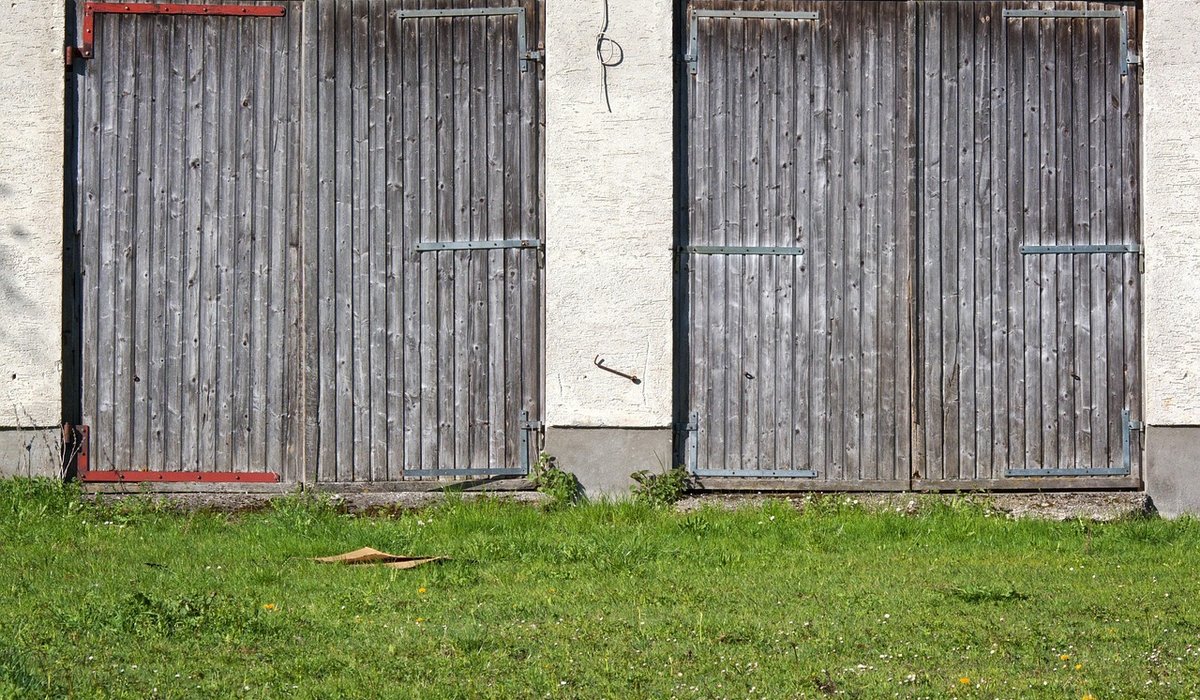
A garden gate is one of those features that quietly does a lot of work. It frames the entrance to your plot, sets the tone before anyone steps inside, and acts as a natural stopping point between the street and your private space. Paint it well and it lifts the whole boundary; paint it badly and even a beautifully made gate can look tired and out of place.
Colour also affects how a gate reads from a distance. A bold shade turns it into a focal point, drawing the eye and giving the garden a sense of arrival. A softer, more muted tone lets the gate recede, so the planting, hedging or brickwork behind it takes centre stage. Neither approach is wrong, but they achieve very different things, and it is worth deciding which one you want before you open a tin.
In the UK, where gates face wind, rain and low winter light for much of the year, colour choices also need to survive the seasons. A shade that looks charming on a sunny afternoon in June may look drab and flat by January. Testing properly is the single most useful thing you can do.
Before you fall in love with a particular colour, look at what the gate sits against. The most successful paint choices respond to their setting rather than fighting it.
It also helps to consider the style of the gate itself. Traditional timber designs with vertical slats often suit heritage colours, while a simple modern gate can carry a bolder, more contemporary shade without feeling out of place.
Some colours have earned their popularity for good reason. They are forgiving, they age well, and they work in a wide range of gardens.
If you are unsure, remember that lighter colours make a gate look bigger and more open, while darker colours make it feel solid and enclosed. On a narrow path or a small front garden, that difference matters.
Paint charts are printed under controlled lighting, and screens are worse still. The only reliable test is on the gate itself, in the position where it will live.
Paint a decent patch, ideally at least 30cm square, somewhere visible on both the street side and the garden side if possible. Leave it for several days and look at it at different times: early morning, midday, late afternoon and under artificial light in the evening. A north-facing gate will read very differently from one in full sun, and a colour that appears warm and inviting in daylight can turn muddy after dark.
Two coats on a primer patch give you a truer picture than a single dab. If you are comparing two or three shades, paint them side by side rather than on separate days, so your eye can judge them against each other in the same conditions. It is a small amount of extra effort that saves a great deal of regret.
Colour is only half the story. The finish you choose changes how light behaves on the surface, and therefore how the colour reads.
Preparation matters just as much as the tin. Sand back any flaking areas, treat knots, prime bare timber and fill small cracks before painting. On a metal gate, remove rust and use a suitable metal primer. Painting the top and bottom edges of a timber gate helps seal it against water getting into the end grain, which is where rot usually begins.
Bear in mind too that darker colours absorb heat and can move more in strong sun, while very pale colours show dirt. A mid-tone is often the most practical compromise for a gate that faces the elements year round.
Your gate rarely stands alone. It usually meets a fence, a wall or a hedge, and how the colours relate to one another decides whether the boundary looks considered or accidental.
Painting the gate the same colour as the fence creates a calm, unified look, particularly along a long run of panels. Painting it in a contrasting shade turns it into a feature, which works best when the gate is well made and worth drawing attention to. A subtle third option is to match the gate to the house and keep the fencing neutral, which visually ties the garden back to the building.
Whatever you choose, keep a note of the colour name and the finish. Touching up a scuff or a chipped edge in a year or two is far easier when you know exactly what went on the gate in the first place, and a small pot kept in the shed will save you a frustrating trip when the weather has done its worst.


We are not gonna make spamming
